






India’s colonial past is full of visible landmarks like forts, churches, and hill stations. But beyond the famous sites, there exists a lesser-known world of lost and forgotten British cantonments. These cantonments were once busy military settlements built by the British East India Company and later the British Crown. Today, many of them lie abandoned, neglected, or quietly absorbed into modern towns.
This guide explores what these cantonments were, why they were built, why many were abandoned, and which forgotten British cantonments in India still exist today.
What Were British Cantonments in India?
British cantonments were permanent military stations established during British rule. Unlike temporary army camps, cantonments were planned townships with:
- Barracks for soldiers
- Officers’ bungalows
- Churches and parade grounds
- Hospitals, clubs, and cemeteries
They were designed to keep British troops separate from native settlements and provide a familiar European-style environment.
At their peak, India had hundreds of cantonments, many of which later lost importance due to political, military, or geographic changes.
Why Did the British Build Cantonments?
The British built cantonments mainly for military control and strategic safety. Key reasons included:
- To protect trade routes and borders
- To suppress revolts and maintain law and order
- To station troops near princely states
- To provide healthier climates for European soldiers
Hill regions and quiet interiors were often preferred due to cooler weather and lower disease risk.
Why Were Many British Cantonments Forgotten?
Many cantonments became forgotten due to major changes after independence. The main reasons include:
1. Change in Military Strategy
Modern warfare reduced the need for scattered inland cantonments.
2. Partition and Independence
Several cantonments near borders lost strategic relevance after 1947.
3. Urban Expansion
Some cantonments were absorbed into growing cities and lost their original identity.
4. Environmental Challenges
Remote locations, dense forests, or difficult terrain made maintenance costly.
Forgotten British Cantonments in India
Below are some lesser-known and forgotten British cantonments that still echo colonial history.
1. Landour, Uttarakhand
Located above Mussoorie, Landour was a quiet cantonment reserved mainly for British officers. Today, it is peaceful and sparsely populated, with colonial cottages, cemeteries, and churches hidden among pine forests.
2. Kasauli, Himachal Pradesh
Kasauli was once an important cantonment for British troops. While parts of it remain active, large areas with old barracks and buildings are forgotten and rarely visited by tourists.
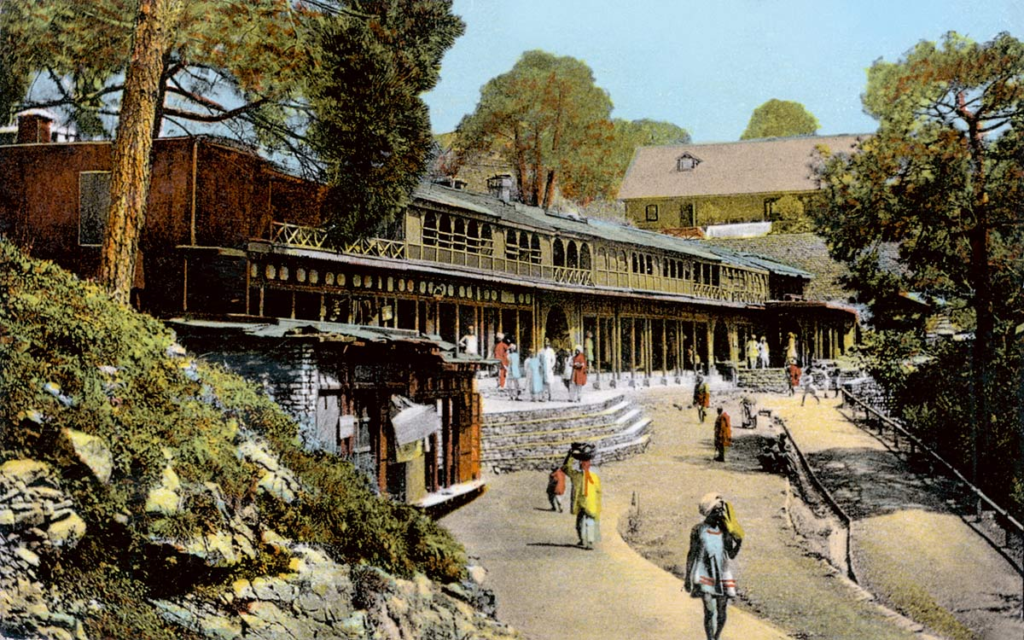
3. Clement Town, Uttarakhand
Established in the early 1900s, Clement Town lost its military importance over time. Today, old structures still exist but are largely ignored by history-focused travelers.
4. Ranikhet, Uttarakhand
Though still associated with the army, many older British-era sections of Ranikhet have fallen into quiet neglect, preserving colonial homes and abandoned pathways.
Architectural Features of British Cantonments
British cantonments followed a distinctive architectural style:
- Wide tree-lined roads
- Sloping roofs and large verandas
- Stone churches and clock towers
- Separate Indian and European quarters
- Military cemeteries with engraved headstones
These features still help identify forgotten cantonments today.

Life Inside a British Cantonment
Life in cantonments was very different from Indian towns nearby. It was highly regulated and disciplined.
- Morning drills and evening parades
- Social clubs for officers
- Churches instead of temples or mosques
- British schools and hospitals
- Minimal interaction with local populations
This separation is one reason many cantonments feel isolated even today.
Are These Cantonments Safe to Visit?
Yes, most abandoned or forgotten cantonments are safe, but travelers should keep a few points in mind:
- Avoid active military zones
- Respect restricted areas and signage
- Do not trespass into sealed buildings
- Prefer daytime visits
- Hire local guides if possible
Some cantonments are still under defense control, so photography may be restricted.
Why Forgotten Cantonments Attract Tourists Today
In recent years, forgotten British cantonments have started attracting:
- Heritage travelers
- History enthusiasts
- Architecture lovers
- Offbeat tourism seekers
- Photographers
Their quiet surroundings, old-world charm, and untouched structures make them perfect for slow and meaningful travel.
Preservation Challenges
Sadly, many cantonments face serious threats:
- Encroachment and illegal construction
- Lack of government funding
- Weather damage and decay
- Loss of historical records
Without preservation efforts, many of these colonial sites may disappear forever.
Future of Forgotten British Cantonments in India
Some cantonments are now being considered for:
- Heritage tourism projects
- Adaptive reuse as museums or cultural centers
- Eco-tourism development
- Protected heritage zones
With proper planning, these forgotten places can be revived while preserving their historical identity.
Read More: What to See in Mysore: Top Places to Visit in 2026 Guide
Final Thoughts
The lost and forgotten British cantonments in India are silent witnesses to a complex colonial past. Hidden in hills, forests, and old towns, they offer a rare chance to explore history beyond textbooks and crowded tourist spots.
If you love offbeat destinations, heritage walks, and stories from the past, these forgotten cantonments deserve a place on your travel list.
Frequently Asked Questions (FAQs)
What are British cantonments in India?
British cantonments were permanent military settlements built during British rule in India. They included barracks, officers’ homes, churches, hospitals, and parade grounds, mainly for British soldiers.
Why are some British cantonments forgotten today?
Many British cantonments became forgotten due to changes after Indian independence, shifting military strategies, urban expansion, and lack of historical preservation.
How many British cantonments existed in India?
During British rule, India had hundreds of cantonments across plains, hills, and strategic regions. Many are still active, while others are abandoned or absorbed into cities.
Are abandoned British cantonments still present in India?
Yes, several abandoned or semi-forgotten British cantonments still exist, especially in hill regions and old military towns. Some remain untouched and retain colonial-era structures.
Can tourists visit forgotten British cantonments in India?
Tourists can visit many forgotten cantonments, but access depends on whether the area is under active military control. Visitors should avoid restricted zones and follow local rules.
Which states have the most British cantonments?
States like Uttarakhand, Himachal Pradesh, West Bengal, Maharashtra, and Tamil Nadu have a high number of old British cantonments due to their strategic and climatic importance.
What architectural features identify British cantonments?
British cantonments are known for wide roads, colonial bungalows, stone churches, cemeteries, sloping roofs, and planned layouts separated from local settlements.
Are British cantonments different from hill stations?
Yes. Hill stations were mainly built for leisure and administration, while cantonments were military-focused settlements, though some hill stations also had cantonment areas.
Why are forgotten British cantonments important for history?
They help us understand colonial military planning, lifestyle, and architecture. These sites also preserve untold stories of British-era India.
Are there any efforts to preserve old cantonments?
Some cantonments are being considered for heritage tourism and conservation, but many still lack proper protection and awareness.

My name is Samar. I enjoy writing and blogging about gardens. In this website, I share information and upload blogs about beautiful Brindavan Garden.