




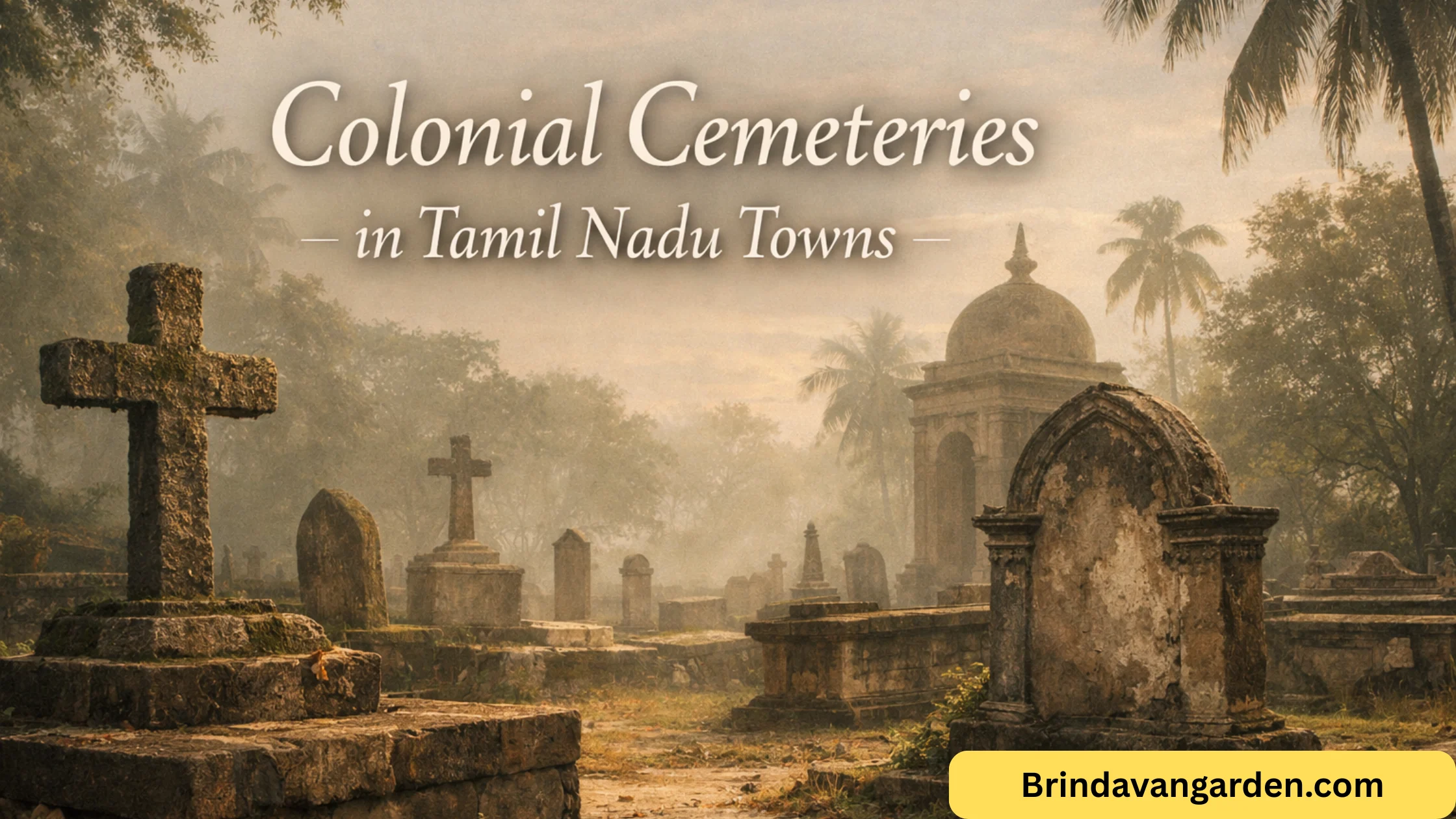
Tamil Nadu is famous for ancient temples and vibrant culture — but hidden quietly inside many towns are colonial-era cemeteries that tell powerful stories of the past. These peaceful places preserve British, Dutch, French, and Portuguese history through old tombstones, Gothic crosses, and weathered epitaphs.
If you enjoy heritage travel or offbeat tourism, exploring colonial cemeteries in Tamil Nadu towns can feel like stepping back in time.
This guide covers why these cemeteries matter, where to find them, what to expect, and how to plan your visit — all in simple, traveler-friendly language.
Why Visit Colonial Cemeteries in Tamil Nadu?
Colonial cemeteries are more than burial grounds. They are open-air history museums. Here’s why people search for and visit them:
- To understand British and European influence in South India
- To admire old architecture and stone carvings
- For quiet heritage walks and photography
- To explore lesser-known places beyond temples and beaches
- For academic and genealogy research
Many graves date back to the 1700s and 1800s, featuring engraved angels, Latin inscriptions, and family crests.
Famous Colonial Cemeteries in Tamil Nadu Towns
Below are some of the most visited and historically important cemeteries across the state.
St. Mary’s Cemetery, Chennai
Located near Fort St. George, St. Mary’s Cemetery is one of India’s oldest British burial grounds, dating back to the late 1700s.
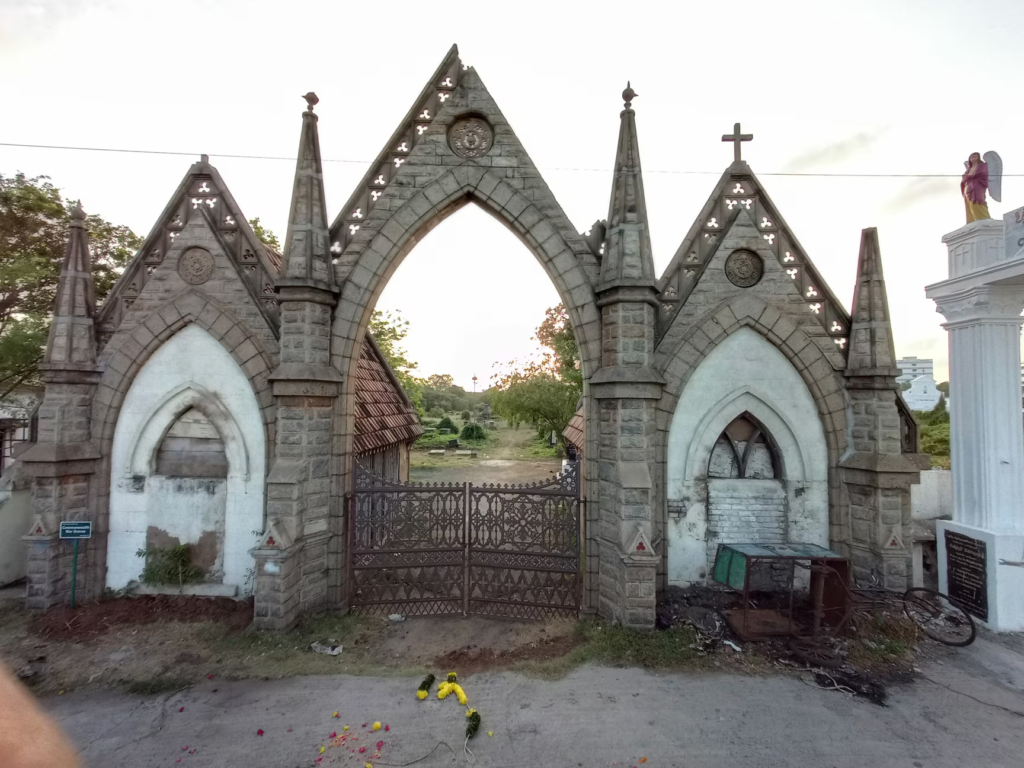
You’ll find massive stone tombs, classical pillars, and memorials of East India Company officials. The quiet pathways and large shade trees make it ideal for a slow heritage walk.
Best time to visit: Morning hours
Entry: Usually free (permission may be required)
Dutch Cemetery, Pulicat
The coastal town of Pulicat hides the beautiful Dutch Cemetery Pulicat, built during Dutch rule in the 17th century.
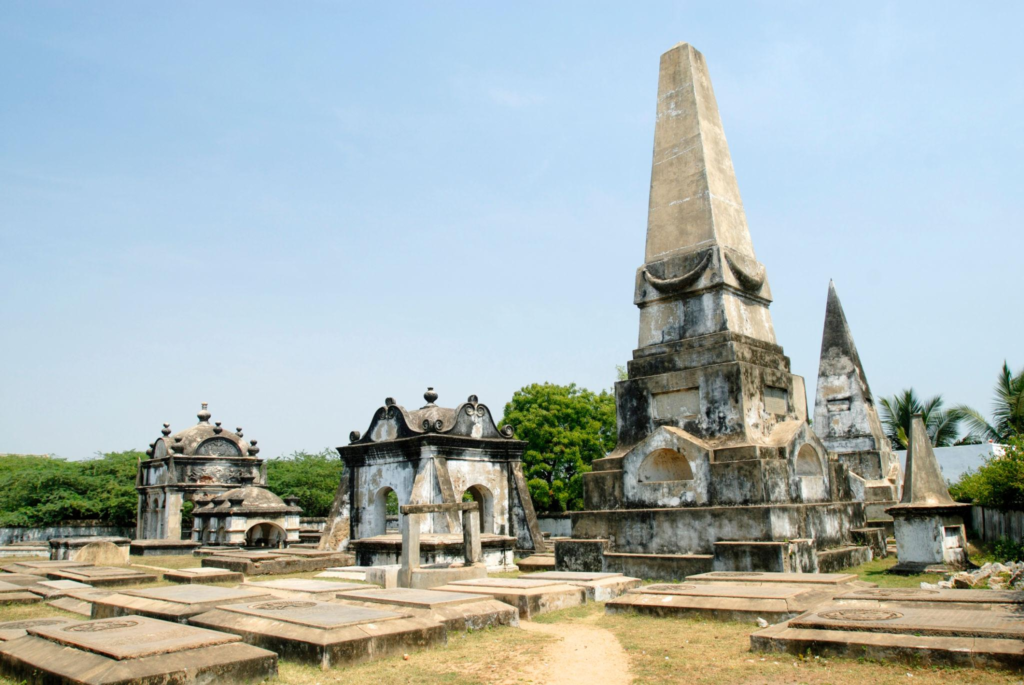
The tombstones feature Dutch inscriptions and European symbols, making it unique compared to British cemeteries elsewhere in Tamil Nadu.
Good for: History lovers and architecture photographers
French Cemetery, Karaikal
In the former French territory of Karaikal lies the serene French Cemetery Karaikal. The layout reflects French burial traditions, with neatly aligned graves and soft landscaping.
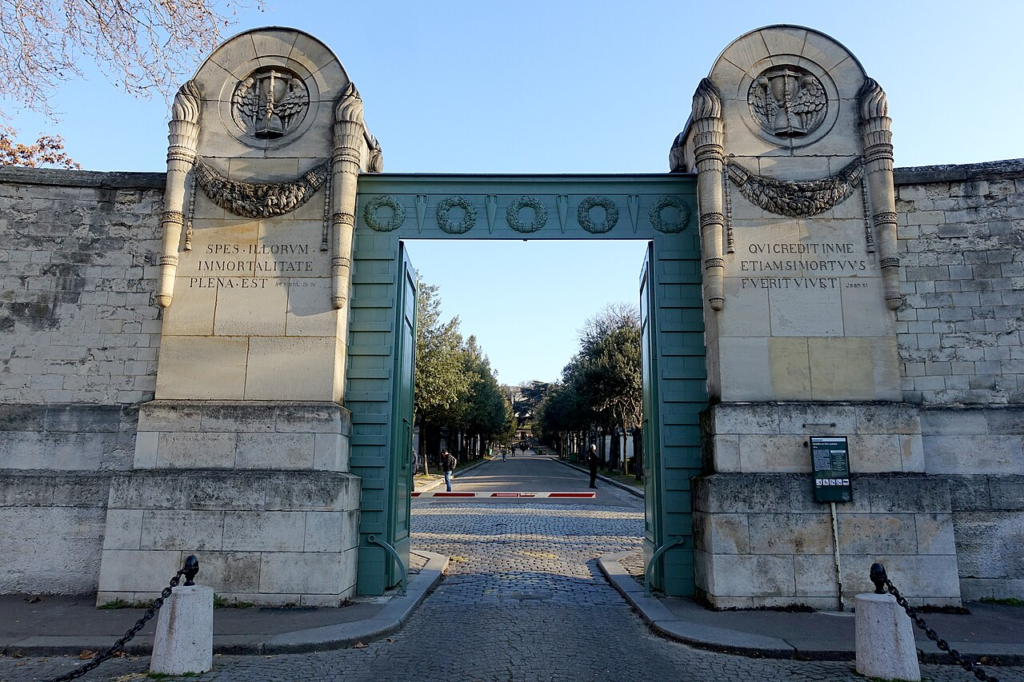
Many visitors pair this stop with nearby churches and heritage streets.
Coonoor & Ooty Colonial Cemeteries (Nilgiris)
Hill towns like Ooty and Coonoor contain small British cemeteries surrounded by misty landscapes.
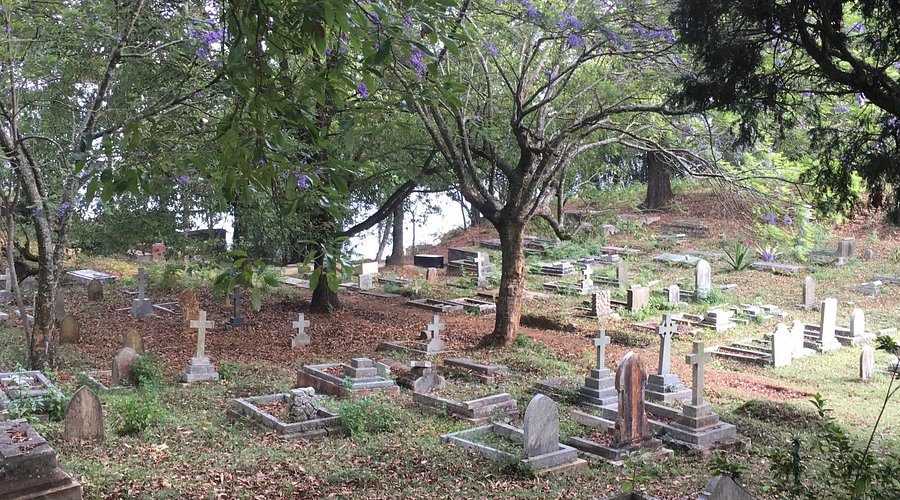
These graves mostly belong to army officers, planters, and missionaries who lived in the Nilgiris during colonial times. The cool climate adds a peaceful charm to these sites.
Major Colonial Cemeteries in Tamil Nadu
| Cemetery Name | Town | Colonial Power | Approx Era |
|---|---|---|---|
| St. Mary’s Cemetery | Chennai | British | 1700s |
| Dutch Cemetery | Pulicat | Dutch | 1600s |
| French Cemetery | Karaikal | French | 1700s |
| Hill Cemeteries | Ooty / Coonoor | British | 1800s |
What You’ll See Inside These Cemeteries
Visitors commonly notice:
- Large stone tombs and vaults
- Marble or granite headstones
- Christian symbols and angels
- Old English, Dutch, or French inscriptions
- Family coats of arms
- Overgrown grass and heritage trees
Each grave tells a personal story of soldiers, traders, doctors, and missionaries who once lived in South India.
Travel Tips for Visiting Colonial Cemeteries
To make your visit respectful and enjoyable:
- Go during daylight hours
- Wear comfortable walking shoes
- Avoid touching fragile tombstones
- Maintain silence and cleanliness
- Ask locals or caretakers for entry rules
- Carry water, especially in summer
Photography is usually allowed, but always be mindful.
Best Time to Explore
The ideal season is October to February, when Tamil Nadu weather is cooler. Early mornings offer softer light for photos and quieter surroundings.
FAQs – Colonial Cemeteries in Tamil Nadu Towns
Are colonial cemeteries open to the public?
Most are accessible, but some may require local permission or caretaker assistance.
Is there any entry fee?
Usually free, though donations may be accepted in a few places.
Are guided tours available?
Formal tours are rare, but local heritage walks in cities like Chennai sometimes include cemetery visits.
Are these cemeteries safe?
Yes, during daytime. Avoid visiting alone after dark.
Can students or researchers access grave records?
Some churches and municipal offices maintain old burial registers.
Final Thoughts
Exploring colonial cemeteries in Tamil Nadu towns offers a quiet, meaningful way to connect with history. These forgotten spaces reveal stories of empire, migration, and everyday life during colonial times — far away from crowded tourist spots.
If you enjoy heritage travel, slow exploration, or unusual destinations, adding these cemeteries to your itinerary will give you a deeper understanding of Tamil Nadu’s layered past.
Read Also: Interior Tribal Forest Tourism in Wayanad: Travel Guide

My name is Samar. I enjoy writing and blogging about gardens. In this website, I share information and upload blogs about beautiful Brindavan Garden.