





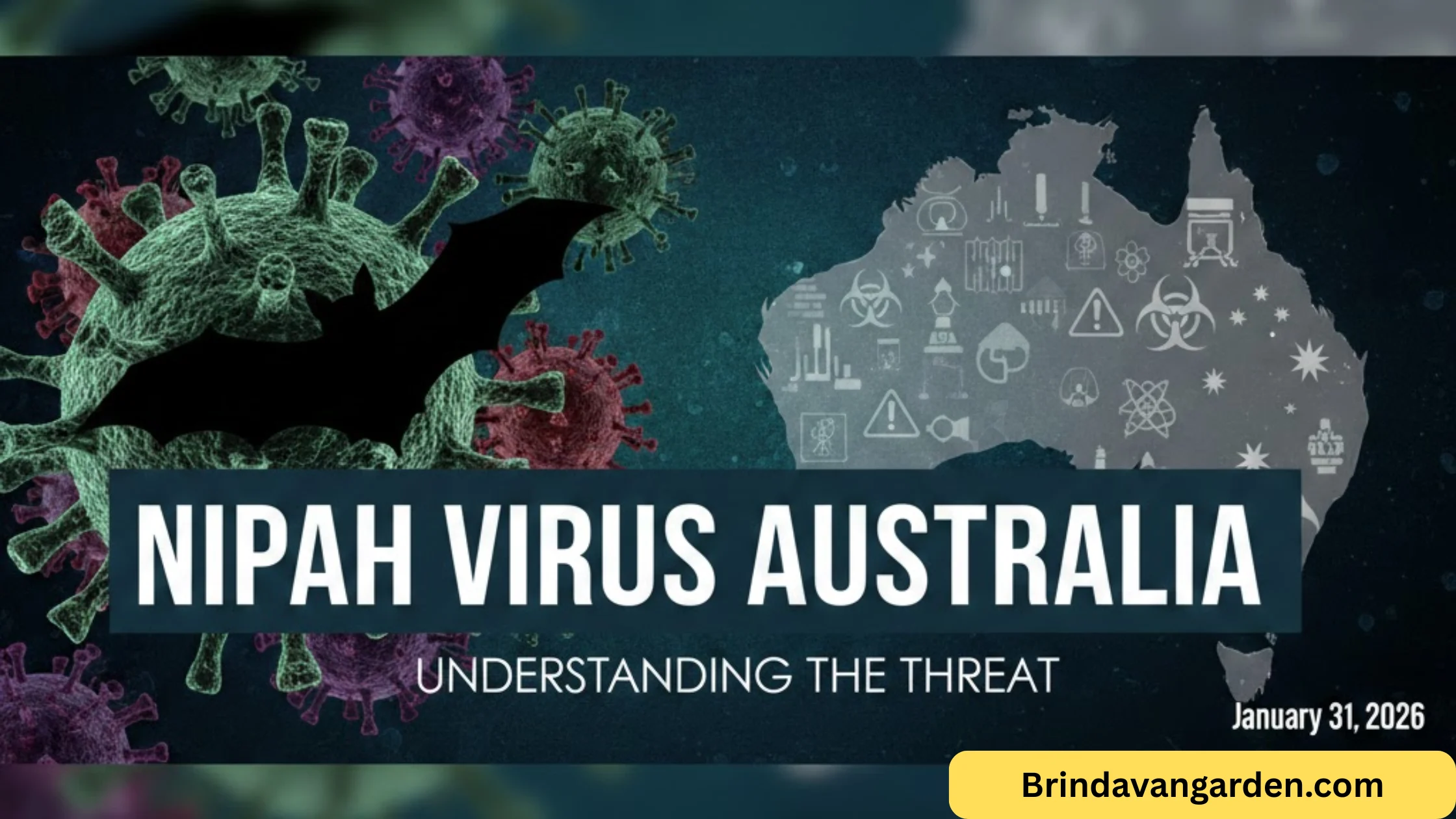
January 31, 2026 | Health & Science News
Australia’s health authorities are closely monitoring the ongoing Nipah virus situation in Asia following confirmed cases in India, but officials stress that the risk of transmission within Australia remains extremely low at this time.
Current Situation: No Nipah Cases in Australia
Despite heightened global attention, Australia has not recorded any cases of the Nipah virus so far — and there is currently no evidence of local transmission within the country. The Australian Government, led by Health Minister Mark Butler, has confirmed that existing health screening protocols for travellers are continuing unchanged.
The federal health ministry has reiterated that there’s no advice at the moment to tighten border control measures such as quarantines or special exit/entry requirements beyond standard ill-traveller checks.
What Triggered This Alert?
The global concern stems from recent Nipah virus cases in India’s West Bengal state, where health authorities reported two confirmed infections among healthcare workers. These cases developed symptoms in late December 2025 and were confirmed via laboratory tests in January 2026.
A total of 196 close contacts linked to these cases have been traced, monitored and tested, with all reported as asymptomatic and negative for infection — a factor that gives the World Health Organization (WHO) confidence that the outbreak is contained for now.
Global Response: Precautions but No Panic
While Australia maintains its current border health stance, several Asian countries have stepped up screening measures at airports and points of entry, particularly for travellers arriving from affected regions. These include temperature checks, health declarations, and closer monitoring of symptomatic individuals at international airports across Thailand, Singapore, Malaysia and other neighbouring nations.
However, leading health experts — including WHO advisers — caution that many of these airport screening measures are more reassuring than scientifically effective, given that Nipah virus often spreads through close contact, contaminated food, or direct exposure rather than routine travel routes.
Read Also: England vs Sri Lanka: Brook & Root Power England to ODI Series Win in Colombo
Understanding Nipah: Deadly, But Rare
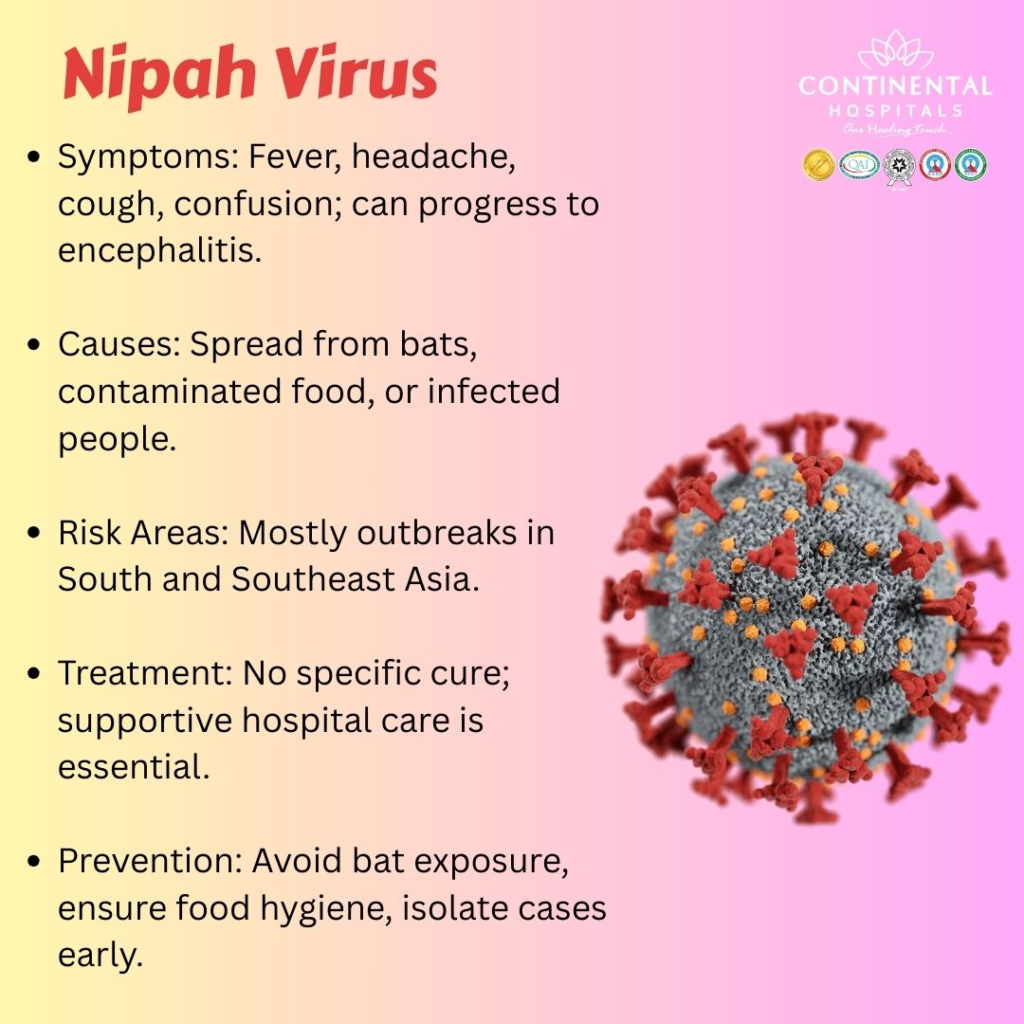
The Nipah virus is a zoonotic viral infection — meaning it spreads from animals to humans — and is primarily carried by fruit bats, particularly species of the Pteropus family.
Once in humans, it can cause:
- Fever and flu-like symptoms
- Respiratory problems such as cough and breathing difficulty
- Severe neurological complications, including swelling of the brain (encephalitis)
- High fatality rates, estimated between 40% and 75% in documented outbreaks.
There is no proven treatment or licensed vaccine for Nipah virus infections, although several vaccine candidates are under research. Supportive care remains the mainstay for treating affected patients.
Why Experts Say Australia’s Risk Is Low
Australian health experts and authorities emphasize that the likelihood of a Nipah outbreak within the country is minimal for several reasons:
- Nipah virus has never been detected in Australia to date.
- Human-to-human transmission is inefficient and usually requires very close or prolonged contact, such as caregiving situations.
- Australian public health systems are equipped to quickly identify and manage imported cases if they occur.
Fruit bats, which carry henipaviruses (the group that includes Nipah and the related Hendra virus), do exist in Australia — but no evidence shows that Nipah is circulating among local bat populations.
Public Health Message: Vigilance, Not Alarm
Health officials in Canberra are urging calm and vigilance rather than alarm. While the Nipah virus is serious due to its severity and lack of treatment options, the risk to Australians remains low, and existing monitoring systems are considered robust.
Australians planning to travel to regions with active viral cases are advised to practice standard health precautions — particularly avoiding contact with bats, pigs, or contaminated animal products — and to stay informed through official health advisories.
Read Also: Gold Rate Today: Record-Breaking Surge as Prices Hit New Highs Across India

My name is Samar. I enjoy writing and blogging about gardens. In this website, I share information and upload blogs about beautiful Brindavan Garden.